
Tires & Seasons
Understanding Tire Pressure in Cold Weather: Why It Matters and How to Maintain It
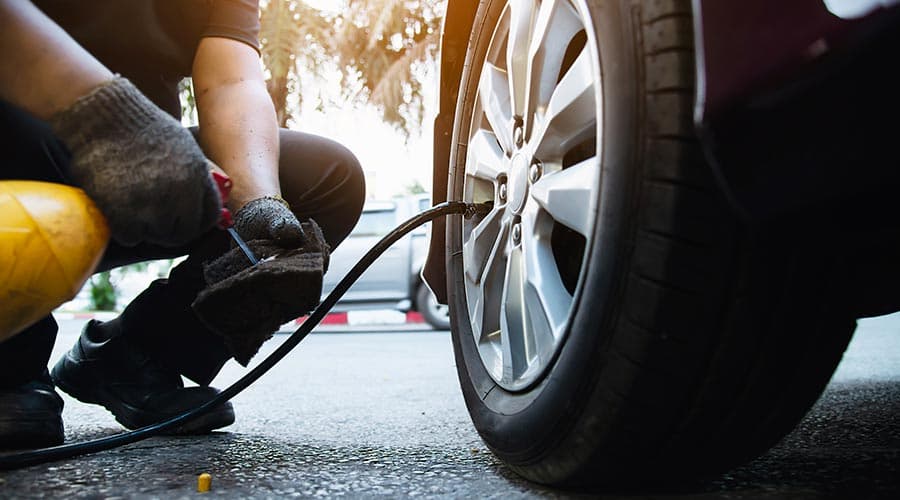
Maintaining proper tire pressure is crucial for vehicle safety and performance, especially during cold weather. When the temperature drops, so does tire pressure. This fluctuation can significantly impact how your car handles, its fuel efficiency, and even the lifespan of your tires. Here’s a comprehensive guide on why tire pressure changes in colder months and how to maintain it to ensure a smooth and safe driving experience.
Why Does Tire Pressure Drop in Cold Weather?
As temperatures decrease, the air inside your tires contracts, leading to lower pressure. For every 10°F drop in temperature, tire pressure can decrease by about 1-2 PSI (pounds per square inch). This is a natural occurrence and happens to all tires. However, driving with low tire pressure can be dangerous.
Effects of Low Tire Pressure:
- Reduced Fuel Efficiency: Under-inflated tires increase rolling resistance, which means your car needs to work harder, thus consuming more fuel.
- Poor Handling: Tires with low pressure don't grip the road as effectively, which can make steering less responsive.
- Increased Wear: Under-inflated tires wear out faster, especially on the edges, reducing their lifespan.
- Risk of Blowouts: Over time, low tire pressure can lead to overheating, increasing the risk of a tire blowout.
How to Maintain Proper Tire Pressure in Cold Weather
Regularly checking and maintaining your tire pressure during the colder months is essential. Follow these steps to ensure your tires remain at optimal pressure:
1. Check Tire Pressure Regularly
Invest in a high-quality tire pressure gauge and check your tire pressure at least once a month, especially in the winter. Be sure to check the pressure when the tires are cold - either in the morning or after the car has been parked for a few hours. Tire pressure should match the manufacturer’s recommendations, which can usually be found on a sticker inside the driver’s side door or in the owner’s manual.
2. Inflate Tires to the Recommended PSI
When your tires are cold, fill them to the recommended PSI. It’s better to slightly overinflate than underinflate, as tire pressure will drop with the temperature. For example, if your car’s recommended pressure is 32 PSI, and it’s particularly cold outside, inflating your tires to 34 PSI can help counterbalance the drop when driving in freezing conditions.
###
3. Consider Nitrogen Inflation
Some drivers opt to inflate their tires with nitrogen instead of air. Nitrogen molecules are larger and more stable, meaning they are less likely to escape and cause pressure fluctuations. While nitrogen inflation isn’t necessary, it can help maintain consistent tire pressure over time.
4. Use Tire Pressure Monitoring Systems (TPMS)
Most modern vehicles come equipped with TPMS, which alerts you when your tire pressure is too low. However, it's still a good idea to manually check your tire pressure, as TPMS typically only warns you when your tires are significantly underinflated, which may already be compromising your vehicle's performance.
The Importance of Proper Tire Pressure "Near Me"
Living in areas with fluctuating cold weather, it's essential to ensure your tires are always at the optimal pressure. Search for tire service locations "near me" to get professional advice and service if you're unsure about your tire maintenance routine. Maintaining the correct pressure can prevent unnecessary wear, improve fuel efficiency, and most importantly, keep you safe on the road.
Stay Safe and Save with Proper Tire Pressure Maintenance
Keeping an eye on your tire pressure during the colder months is vital for maintaining the safety and efficiency of your vehicle. The effects of cold weather on tires are natural, but with regular checks and a proactive approach, you can avoid the common issues that come with under-inflated tires. Make sure to inflate your tires to the recommended PSI, consider nitrogen if feasible, and always have a reliable tire service "near me" to assist you.
Call (604) 534-5338to schedule an appointment to have your tires installed or inspected.