
Fuel & Efficiency
Going the Extra Mile
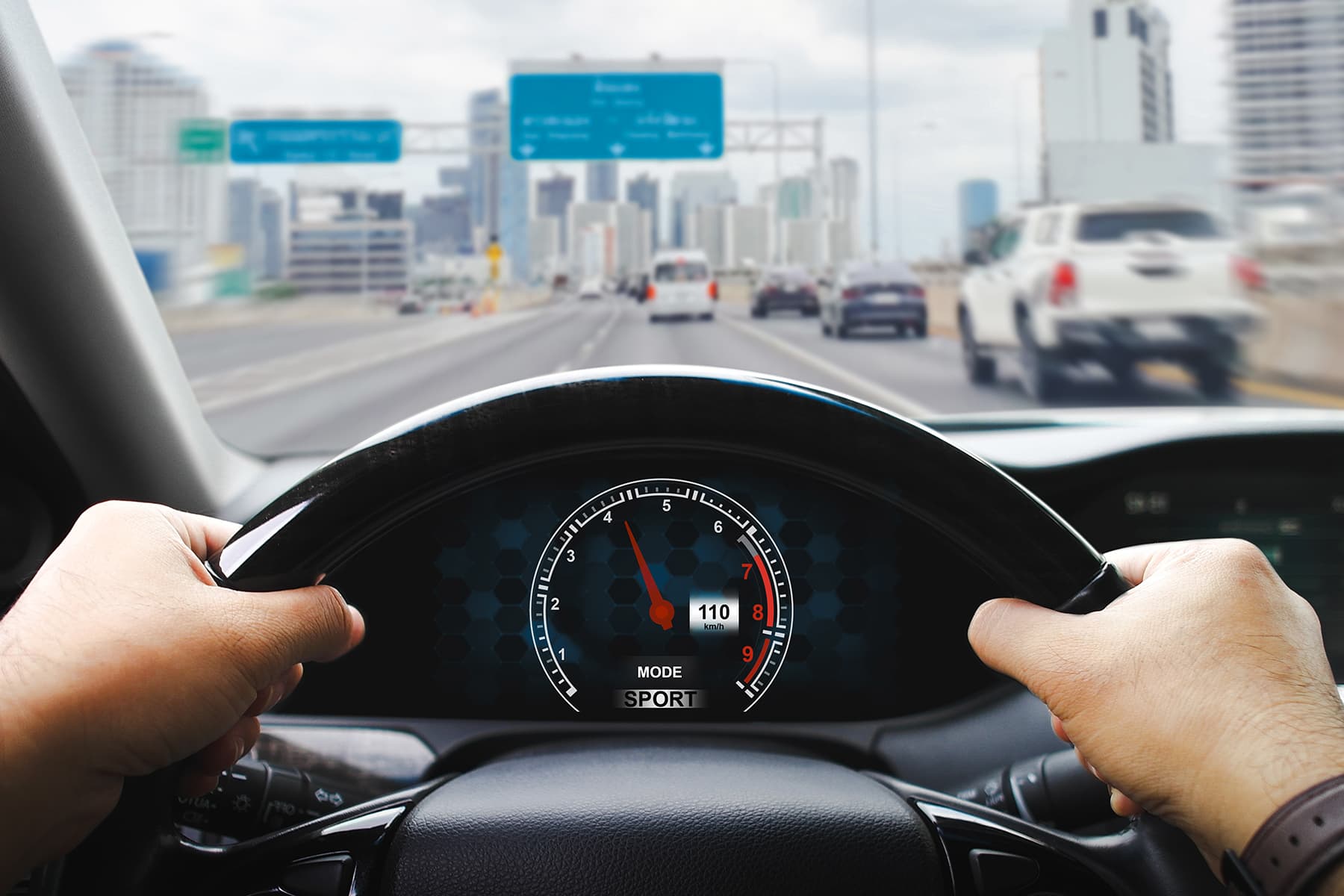
Canadians love their driving. In a country as vast as ours, it’s no wonder some Canadians put so many kilometres on their vehicles. But how many kilometers is too many? And what’s considered good fuel efficiency these days?
Let’s begin with mileage (shouldn’t we call it kilometreage here in Canada?). Generally speaking, most people drive an average of 15,000 - 25,000 kilometres a year. Naturally, how much you drive can be dependant on many things, from what type of work you do to where you live. And all these things factor into how many kilometres is too many for your vehicle.
For example, people living in rural communities who drive longer distances and mostly on highways will often put on more kilometres than someone driving every day in the city. But the constant stopping and starting of city driving versus a more consistent highway driving can be tougher on your vehicle, even though you’re not traveling as far each day.
The type of work you do and the work you put your vehicle through can also make a big difference to how many kilometres is good or bad for your vehicle.
Someone who drives most of their kilometres at slow speeds on well paved roads is likely going to cause a lot less wear and tear on their vehicle than someone who works driving their vehicle across rough terrain or in adverse driving conditions.
So, when someone tells you they drive 30k a year and someone else tells you they drive 18k, don’t assume the vehicle with 18,000 kilometres is necessarily in better shape than the one that did 30,000.
Here’s a fun bit of trivia, Irv Gordon holds the Guinness World Record for the vehicle with the highest mileage. Irv managed to rack up 3.2 million miles on his 1966 Volvo P1800S. At Big O Tires in Cloverdale, we recommend keeping below that number. ?
Now let’s look at fuel economy.
How far your vehicle travels on a single litre of fuel can say a lot about your vehicle’s efficiency and even the condition of your engine.
In Canada, it’s considered decent fuel economy if your vehicle can get 100kms of driving with 6 litres or less of fuel. For SUV’s and trucks that number is increased to 8 litres per 100kms.
But again, what type of driving you do will dramatically skew those numbers. For example, driving in the city, with its constant stops and starts can reduce your fuel efficiency by up to several litres per 100kms. Engine starts, acceleration, braking and speed changes all impact how much fuel you’re using when you drive.
There’s really no definitive answer when it comes to determining how many kilometres is too much for a vehicle. But looking at the total number of kilometres driven by a vehicle, the type of driving and a vehicle’s fuel economy are good ways to get an accurate sense of whether a vehicle has been overdriven!
Just remember, no matter how many kilometres you travel, we're always there at Big O Tires in Cloverdale to serve you!